How does it differ from traditional brow treatments?
Who is the ideal candidate for this treatment?
How should I prepare for my Micro Brow Lift appointment?
Is a consultation necessary beforehand?
What can I expect during the Micro Brow Lift procedure?
Is the procedure painful?
How long does the Micro Brow Lift take?
Can I choose the style and color of my brows?
What are the potential risks or side effects?
What is the aftercare for a Micro Brow Lift?
When can I resume my normal skincare and makeup routine?
How long does the Micro Brow Lift last?
Can I wash my face normally after the treatment?
Micro Brow Lift - After Care
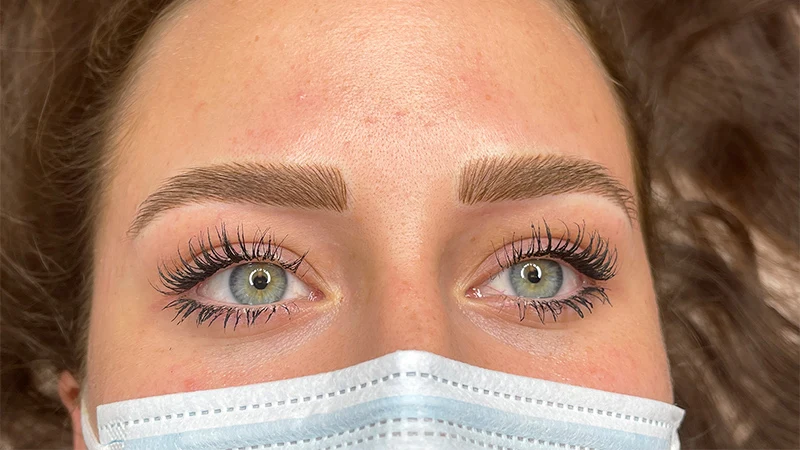
A Micro Brow Lift is an advanced eyebrow enhancement technique that combines elements of Microblading and Shading, along with options like Brow Lamination or Ombre Brows, to create fuller, more symmetrical brows.
Unlike standard treatments, the Micro Brow Lift offers a comprehensive approach, incorporating microblading for natural hair-like strokes and shading for depth, along with other techniques for a more refined look.
It's ideal for those with thin, asymmetrical brows or brows with scars, seeking a more defined, fuller brow appearance.
Avoid alcohol, caffeine, and blood thinners for at least 24 hours prior. Also, arrive without any makeup on your eyebrows.
Yes, a pre-procedure consultation is essential to discuss your goals, brow shape, color preferences, and to address any concerns.
The procedure involves precise microblading and shading techniques, possibly combined with Brow Lamination or Ombre Brow techniques, depending on your desired outcome.
Some discomfort is possible, but a topical anesthetic is typically applied to minimize pain.
The entire process can take about 2-3 hours, including consultation, numbing, and the actual procedure..
Absolutely. Your preferences will be discussed during the consultation, and your technician will advise on what complements your features best.
Minor swelling and redness are common. In rare cases, there might be an allergic reaction or infection.
Keep the brows dry and clean, avoid touching or scratching them, and follow any specific aftercare instructions provided by your technician.
Generally, you can resume normal routines after 10-14 days, but always follow the specific advice of your technician.
The results can last between 1-3 years, varying based on skin type, lifestyle, and adherence to aftercare instructions.
You should avoid getting the treated area wet for the first week. Use a gentle cleanser around the brows.
Keep the Area Clean: Gently clean the microbladed area with sterilized water on a cotton pad, dabbing lightly to remove any excess lymph fluid. This helps to minimize scabbing.
Avoid Getting the Area Wet: Keep the brow area dry from water for at least 7-10 days. This includes avoiding long showers, swimming, and excessive sweating.
No Makeup or Skincare Products: Avoid applying any makeup, creams, or serums on the brows for at least a week or as advised by your technician.
Avoid Sun Exposure: Keep the brows protected from direct sun exposure. Sun can cause the pigment to fade prematurely and can also lead to inflammation.
Do Not Pick or Scratch: As the area heals, it may scab or flake. Do not pick at the scabs as this can pull out the pigment and affect the healing process.
Apply Healing Balm: Your technician might recommend a specific healing balm or ointment. Apply it as directed, typically a thin layer once or twice a day.
Sleep on Your Back: Try to sleep on your back to avoid putting pressure on your brows and risking the smearing of the pigment.
Avoid Certain Activities: For the first 10 days, avoid activities that can cause excessive sweating, swimming, hot sauna, hot bath, or jacuzzi, sun tanning, and salon treatments.
Avoid Exfoliating Agents: Stay away from exfoliants, anti-aging acids, or any aggressive treatments on the brows for at least a month.
Use a Fresh Pillowcase: To avoid infection, sleep on a clean pillowcase.
No Facials or Botox: Avoid facials, botox, chemical treatments, and microdermabrasion for a few weeks.
Touch-up Session: Attend the touch-up session as scheduled with your technician, usually 4-6 weeks after the initial treatment.
Report Any Signs of Infection: If you notice any signs of infection like excessive redness, swelling, or pus, contact your technician or seek medical attention immediately.